Volcanic mountains, such as Mount St. Helens and Mount Fuji, represent complex geological phenomena shaped by tectonic forces and volcanic activity. Their formation is not merely a display of nature’s power; it creates unique environments that harbor diverse ecosystems. Understanding these processes reveals how life persists amid destruction. As you explore the intricacies of these ecosystems, consider how resilience manifests in the wake of eruptions. What other factors influence this dynamic relationship between life and geological forces?
What Are Some Must-See Volcanic Mountains?
When you’re planning an adventure that combines awe-inspiring landscapes and geological marvels, which volcanic mountains should top your list?
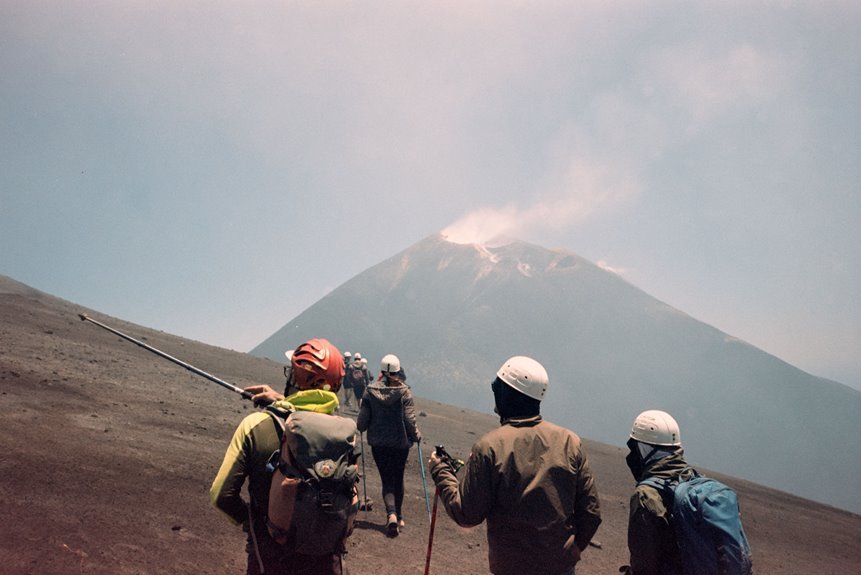
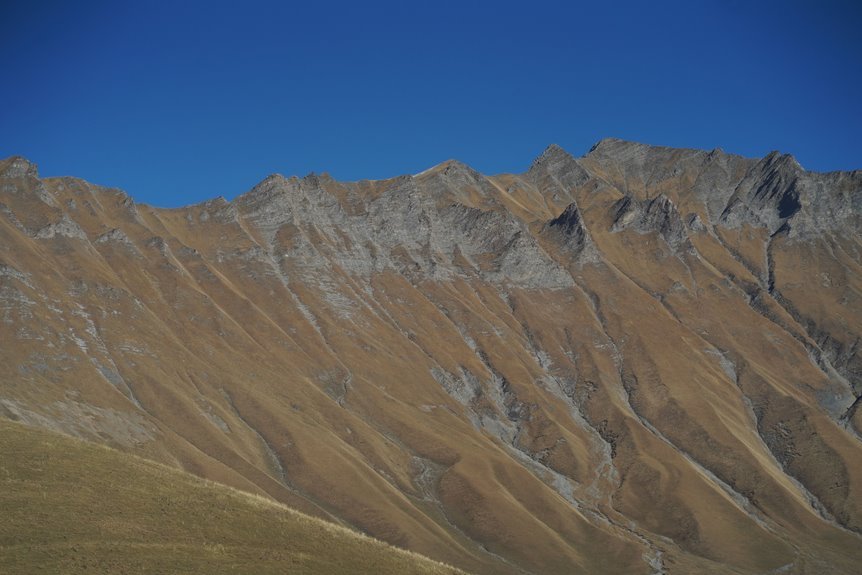
Consider Mount St. Helens for its explosive history, or the iconic Mount Fuji, perfect for breathtaking hiking adventures.
Don’t overlook Haleakalā in Maui, offering stunning volcanic landscapes and unique ecosystems.
Each destination promises an exhilarating experience, appealing to your desire for exploration and freedom.
How Do Volcanic Mountains Form?
Exploring volcanic mountains reveals not just their beauty but also their complex origins.
These majestic formations arise from volcanic activity, where magma chambers beneath the Earth’s surface accumulate molten rock. As pressure builds, eruptions can release this magma, leading to the creation of mountains over time.
The interplay of tectonic forces and volcanic processes shapes these awe-inspiring natural wonders, defining their unique landscapes.
Exploring Biodiversity in Volcanic Ecosystems
Volcanic ecosystems, while often seen as harsh and inhospitable, actually harbor a surprising diversity of life that thrives in unique conditions.
These biodiversity hotspots exhibit remarkable ecological adaptations, allowing species to survive in extreme environments.
From specialized flora to resilient fauna, each organism plays a crucial role in maintaining ecosystem balance, showcasing nature’s incredible ability to flourish even in challenging terrains.
Effects of Volcanic Eruptions on Ecosystems
Though often perceived as destructive, volcanic eruptions can profoundly reshape ecosystems, both immediately and over time.
Lava flows obliterate existing habitats, while ash deposits enrich soils, fostering new plant growth. This duality allows ecosystems to evolve, creating niches for diverse species.
Over time, resilience emerges as flora and fauna adapt, demonstrating nature’s ability to transform chaos into thriving life.
Conclusion
In conclusion, volcanic mountains are not just striking landscapes; they’re complex ecosystems shaped by geological forces. The theory of ecological succession suggests that after eruptions, life reclaims these barren terrains through stages of growth and adaptation. This process reveals nature’s resilience, as species evolve to thrive in challenging conditions. By understanding these dynamics, we gain insight into the delicate balance of life and the transformative power of volcanic activity, highlighting the ongoing interplay between destruction and renewal in our environment.