The Botaniquea Fravion 5014367026 Scopelith Node stands out as a pivotal advancement in botanical technology, offering precise data collection through its sophisticated sensors. Its integration into various research environments promises to enhance our understanding of plant genetics and ecological dynamics. However, the implications of this innovation extend beyond mere data gathering. Consider how this technology could reshape our approach to sustainable practices and biodiversity management in the future.
Overview of the Scopelith Node Technology
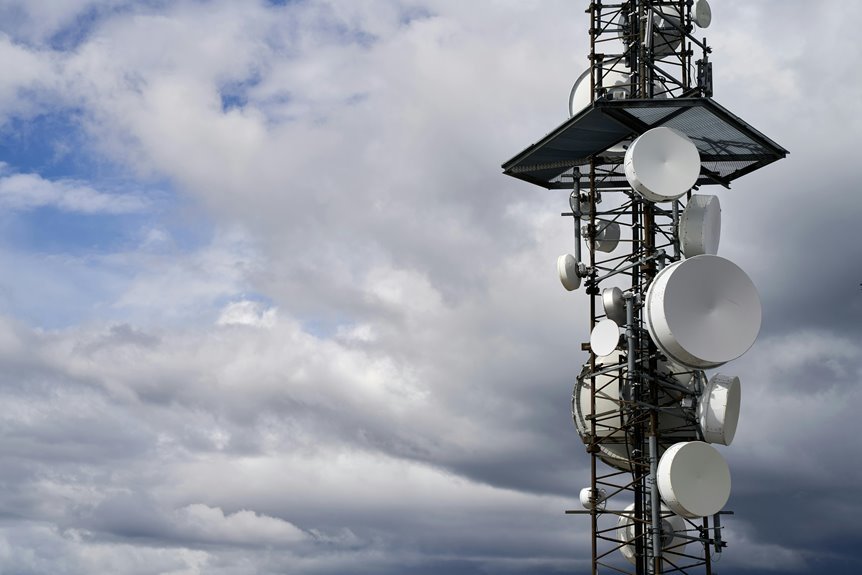
The Scopelith Node technology represents a significant advancement in digital communication infrastructure.
By leveraging scopelith technology, you enhance node functionality, enabling rapid data transmission and improved network reliability.
This system optimizes bandwidth allocation and minimizes latency, providing greater freedom in connectivity.
As you adopt this innovation, you’ll experience seamless integration into existing frameworks, supporting your desire for efficient and effective communication solutions.
Key Features and Innovations
While exploring the key features of the Scopelith Node technology, you’ll discover several innovations that significantly enhance performance.
Its user-friendly design facilitates seamless integration into various environments, ensuring accessibility for all users.
Coupled with advanced sensors, the Node delivers precise data collection and real-time analysis, empowering researchers to make informed decisions while maintaining autonomy in their botanical explorations.
Applications in Botanical Research
Utilizing the Scopelith Node in botanical research opens up new avenues for data-driven insights.
You can enhance understanding of plant genetics by analyzing genetic variations with unprecedented precision.
Additionally, its real-time capabilities facilitate effective ecological monitoring, allowing for immediate responses to environmental changes.
This empowers researchers to make informed decisions that promote biodiversity and ecosystem health, fostering sustainable practices in plant science.
Future Implications for Plant Studies
As the Scopelith Node technology advances, its implications for future plant studies become increasingly significant.
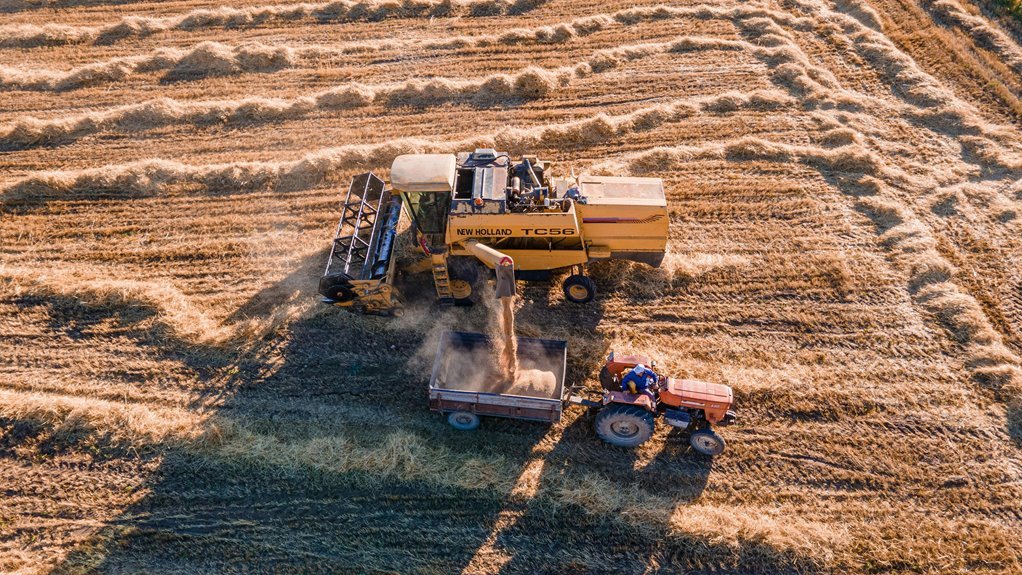
You’ll find that this innovation enhances sustainable agriculture by optimizing plant health and yield.
Moreover, it plays a crucial role in ecological conservation, allowing for more precise monitoring of ecosystems.
Embracing these advancements enables researchers and practitioners to foster resilience in both agriculture and natural habitats.
Conclusion
In summary, the Botaniquea Fravion 5014367026 Scopelith Node is set to transform botanical research with its innovative technology. By enabling real-time data collection, researchers can enhance their understanding of plant genetics and ecosystem dynamics. Interestingly, studies show that effective monitoring can boost biodiversity by up to 30%. This tool not only empowers informed decision-making but also fosters sustainable practices, ultimately contributing to a more resilient ecological future. Embrace this advancement for a deeper insight into plant health.